When it comes to building character, confidence, and community through sport, few places in Central Ohio match the legacy of the Racquet Club of Columbus.
Established in 1971 by John and Jeanne Hendrix, RCC was founded on a vision to create the area’s premier indoor tennis facility. What began as an eight-court venue has grown into a standout, family-owned complex featuring 10 Novacrylic tennis courts, four racquetball courts, wallyball facilities, and a pro shop.
Who They Are & What They Do
Family values and an unwavering standard of excellence drive everything RCC does. Their primary mission is providing a world-class racquet sports environment for the entire community. They achieve this through meticulous facility care, forward-thinking training programs, and a dedicated team focused on helping players of all levels thrive.
From junior competitive clinics and adult career drills to world-class racquet stringing, Racquet Club of Columbus serves as a vibrant hub where players of all ages and skill levels can learn, grow, and connect through sport.
Championing Youth: The 2026 USTA Midwest Essay Contest
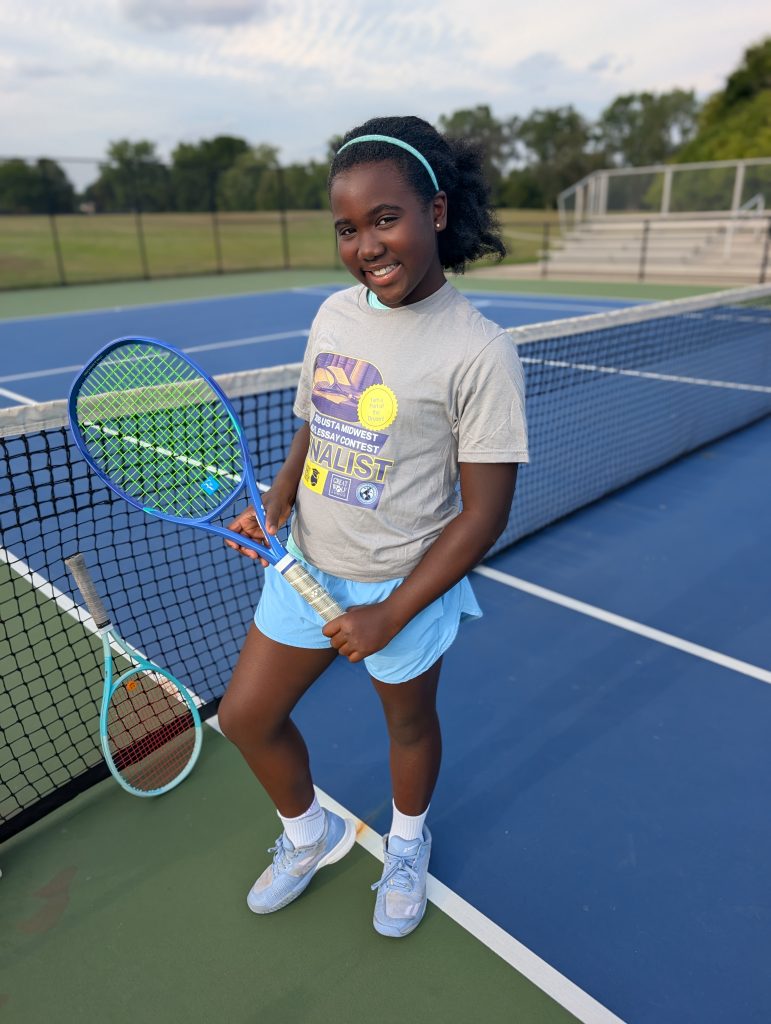
RCC’s dedication extends far beyond the court. This year, Racquet Club of Columbus, alongside Jim Hendrix, stepped forward as a proud sponsor of the 2026 USTA Midwest Tennis & Education Foundation NJTL Essay Contest.
By supporting youth educational and athletic initiatives through the National Junior Tennis and Learning (NJTL) network, RCC and Jim Hendrix continue to demonstrate that their true passion lies in investing in the next generation, empowering young student-athletes to express themselves, excel in their studies, and fall in love with the game. We extend our deepest gratitude to Racquet Club of Columbus and Jim Hendrix for their incredible generosity and commitment to inspiring the next generation of players and writers in our community!
Meet the incredible young leaders from across our section who are stepping up, leading with character, and making a lasting impact on and off the court! Inspired by the enduring legacies of Dr. Martin Luther King Jr. and Arthur Ashe, these standout junior players are using their voices, actions, and passion for tennis to elevate their communities. Read through their winning essays below to discover how our NJTL athletes are shaping a brighter, more inclusive future, one match and one act of kindness at a time!
2026 MTEF NJTL Essay Winners
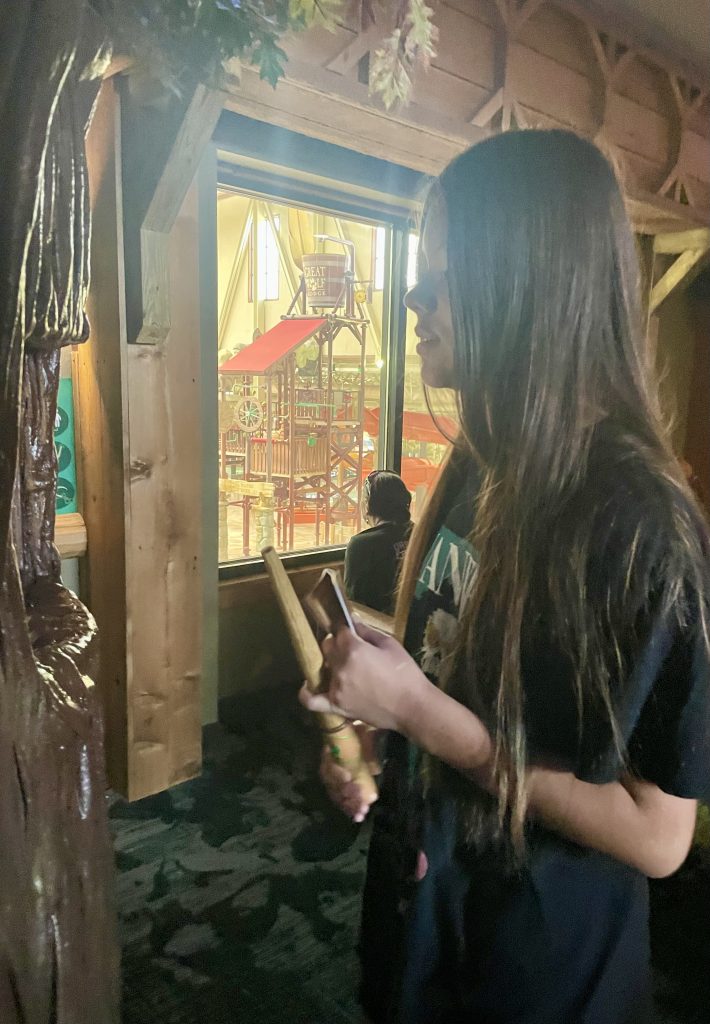
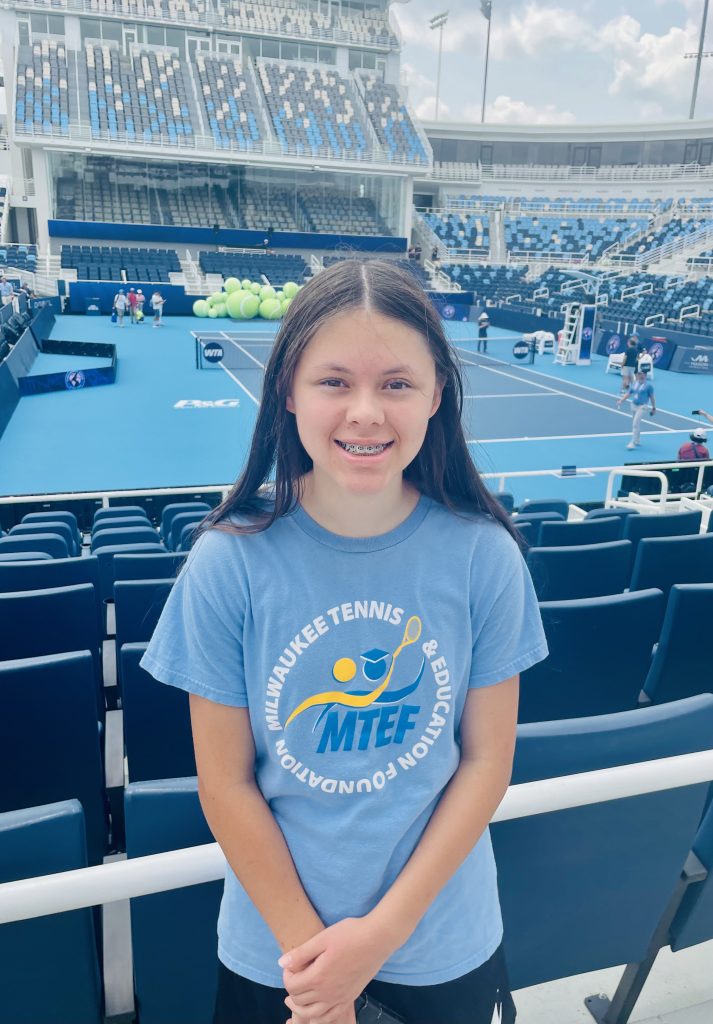
In recognition of their outstanding leadership, character, and vision, our grand prize essay winners earned an incredible experience: a fun-filled stay at Great Wolf Lodge and tickets to see the world’s best players live at the Cincinnati Open!
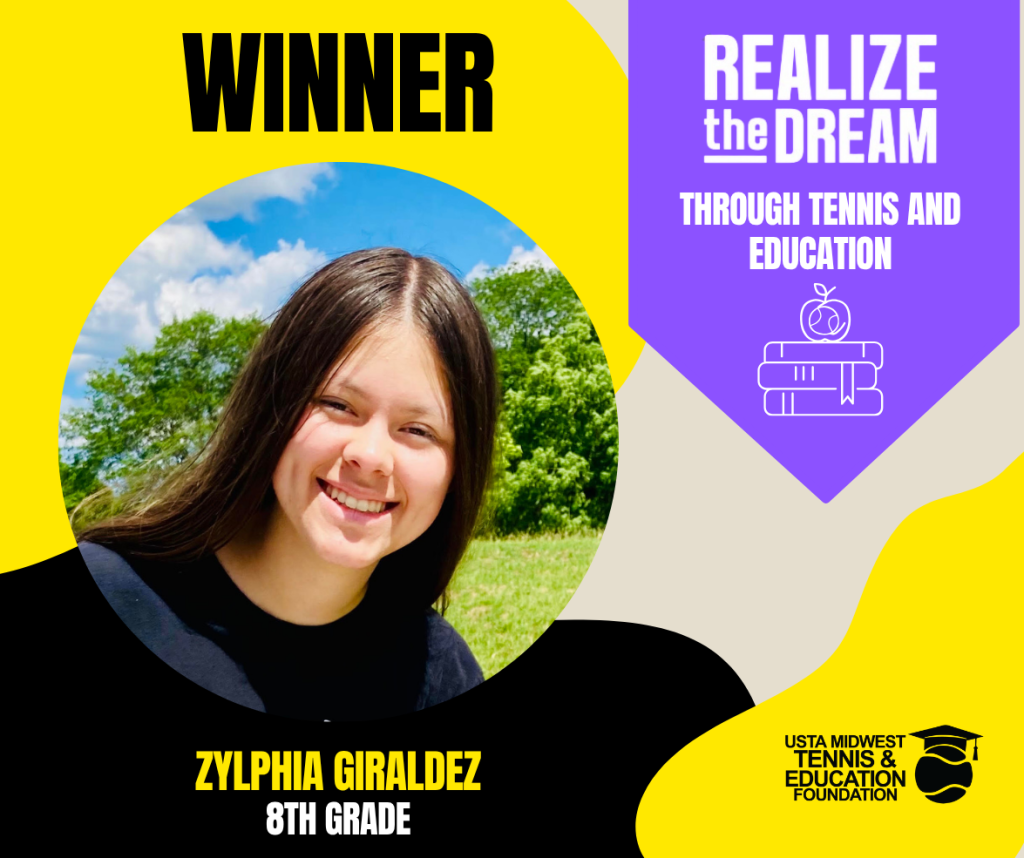
Zylphia Giraldez, Winner (6th-8th Grade)
Changing the world does not always begin with a famous speech or winning a championship. Sometimes it starts with one courageous choice, one act of kindness, or one person willing to do what is right. Dr. Martin Luther King Jr. and Arthur Ashe showed us that anyone can make a difference. I hope to follow their example, even though I am young, they inspire me to use my voice to stand up for others, my actions to lead with courage and character, and my love of tennis to encourage others to work hard, believe in themselves, and never give up. I can make a difference by being courageous. Courage does not mean you are never afraid. It means doing the right thing can be scary. In tennis, courage means not giving up after losing a match. It also means speaking up when someone is being treated unfairly. When I choose courage over fear, I become stronger, more confident, and better prepared to face challenges both in tennis and in life. Character means showing honesty, respect, perseverance, and good sportsmanship. An example of this could be kindly offering advice instead of criticizing an opponent. Winning is exciting, but treating others with respect is even more important because people remember how you made them feel. Passion means loving something enough to keep practicing, learning, and improving, even when it is hard. Tennis teaches me patience, discipline, confidence, and resilience. By cheering others on, sharing what I have learned, and always giving my best effort, I can help create a team where everyone feels welcome and supported. I may not change the whole world, but I can change someone’s days with my words, my actions, and the way I plan the game. If I choose courage, show good character, and share my passion for tennis, I can help make my community and the world a little better, one match and one act of kindness at a time.
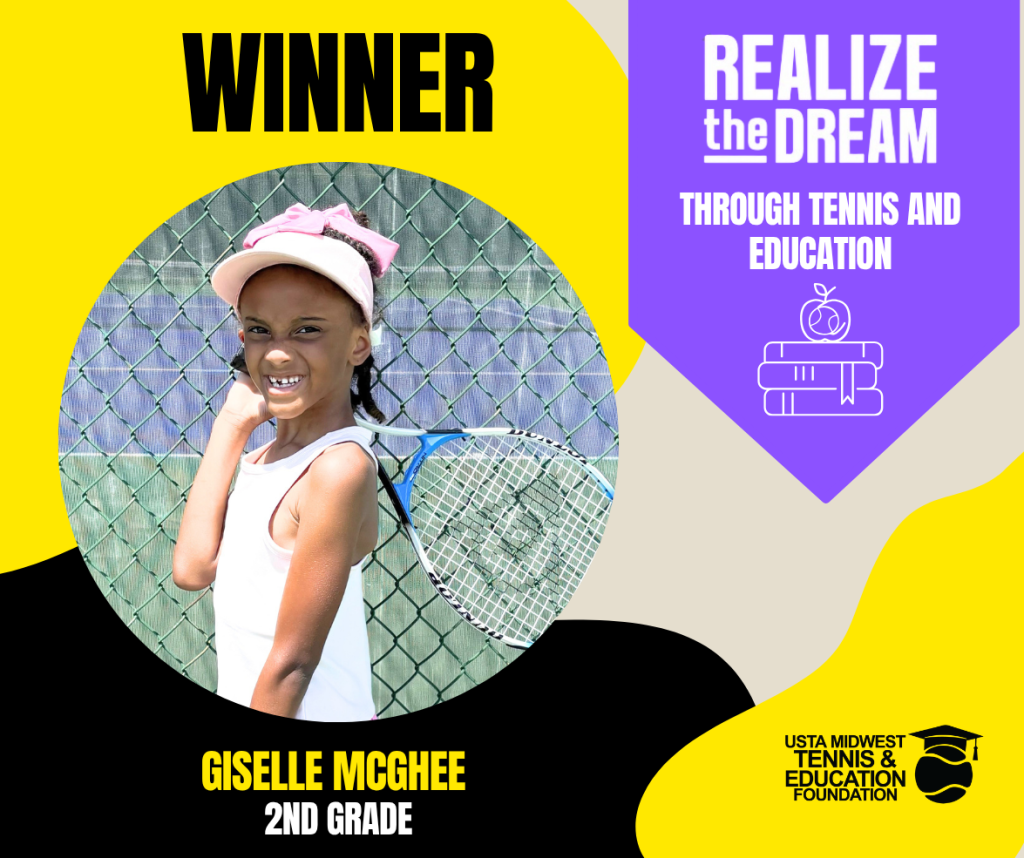
Giselle McGhee, Winner (K-5th Grade)
STANDING TALL LIKE MY GREAT GRANDPA
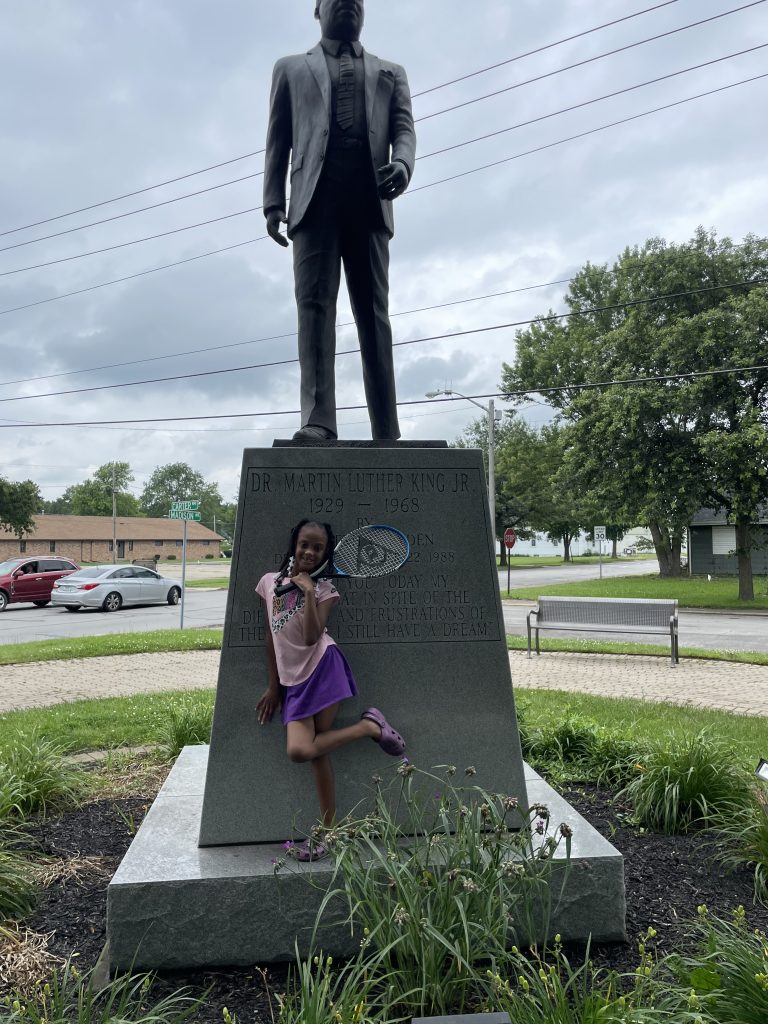
Everybody listen up! I want your attention because I have something important to share about having a dream, showing kindness, and having good character. Hi, my name is Giselle McGhee, but everyone calls me Gigi for short. I want to tell you a story about my great grandpa, who was the model for the Dr. Martin Luther King Jr. statue in my parents’ hometown. When he was chosen, some people didn’t believe in Dr. King’s dream, so it wasn’t easy. But the statue was built, and it is still standing today.
My great grandpa was a tennis player like me, and he shared the same dream as Dr. King. He knew how to bring people together. He was a pastor, he had a kind heart, and he stood tall just like Dr. King. That’s one of the reasons he was picked to be the model. When I think about making the world better and showing kindness, I think about him and how he believed in Dr. King’s vision.
When I imagine a better world, I think of a place where everyone is kind and feels welcome. A place where everyone has a home, lives a long time, and stays healthy. A world where families have food, people have good jobs, and nobody gets cavities or poison ivy rashes. I think the world should be safe, happy, and full of love.
I know I can help make the world better through my actions. I can help plan events that give food to people who need it, like the Hunger for Kids event I went to with my mom. I can raise money, so people have a place to stay. I can also be a good example by brushing my teeth every day, taking care of nature, and eating chicken so my bones stay strong.
I love tennis and want to be a great tennis player. That means I have to practice a lot and work hard. Tennis can be tough, but I don’t want to pout or give up when it gets hard. I want to be like Arthur Ashe, the first Black male tennis player to win Wimbledon. He made a positive impact through his actions, and I want to do the same. I want to show others how to believe in themselves and try new things. At the end of every match, I can show kindness by shaking my opponent’s hand.
When I think of my great grandpa, Dr. King, and Arthur Ashe, they all remind me of what it means to be brave, to speak up, and to stand tall. They inspire me to be a better tennis player and a kinder person. Through my love for tennis, my actions, and my voice, maybe one day I can inspire others to make the world a better place too.
By: Gigi McGhee
Grades K – 5th Division Finalists
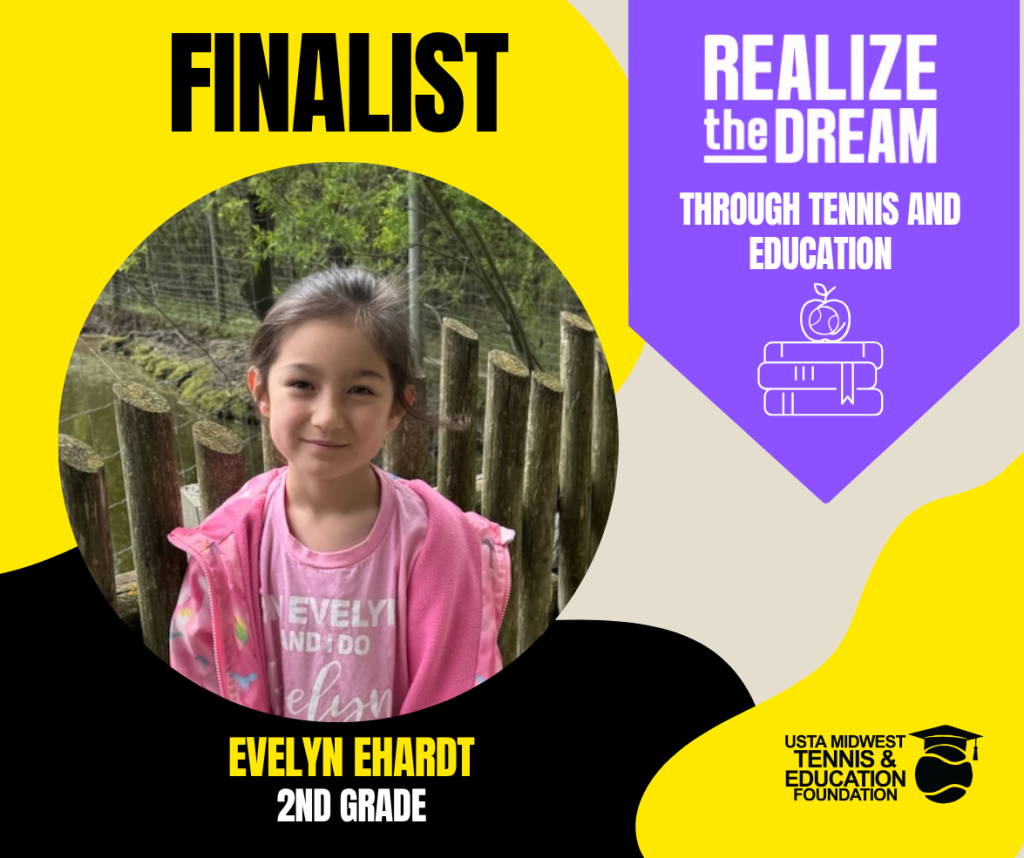
Evelyn Ehardt
This is a story about A short Friendly FrIendly turtle, me, and beautiful kind Octopus playing tennis fairly. It is about The way to play fairly, we took turns playing tennis Together, we thought we are a good group by saying kind words and being respectful to each other. It was time for class. I run around the tennis court because it was fun. I did high Knees to one net and back. I did monster walks from the baseline the and back. I invited the turtle to come play with me after class. woosh goes the tennis ball as I throw it to the turtle, The turtle hit it and I missed. The turtle said “Yay!” I said, “Let’s play again.” So this time I won and the turtle said “congratulations, you won!” That was a very kind turtle. The turtle looks at the ball, because if you look at the racket, it will be harder to hit. I make the turtle feel happy after he missed the ball. That is the importance of encouraging others and it also makes me feel kind. We both played fairly so we did not argue after that game. The turtle thought we used teamwork by sharing the ball. I think the turtle is A good listener because he uses his ears and not his mouth. the turtle was also very fast. I said bye to the turtle, and went to go play with octopus. But Octopus came and wanted to play with all of us. So the turtle, octopus and me played all together. It is not about who wins or loses, it is about having fun, and listening to others. I played with octopus and Turtle for a couple more rounds. The turtle and the octopus liked playing with eachother. We all made a positive impact by saying kind words. even if we lost. We invited our friends to come because what we learned playing tennis together we can share kindness all around the world. The turtle and the octopus liked playing with each other and they keped playing with each other. I liked Turtle and Octopus too. We became great friends through playing tennis.this day, The result was being kind to each other and you can make more friends. We also took turns so all our friends liked us more.
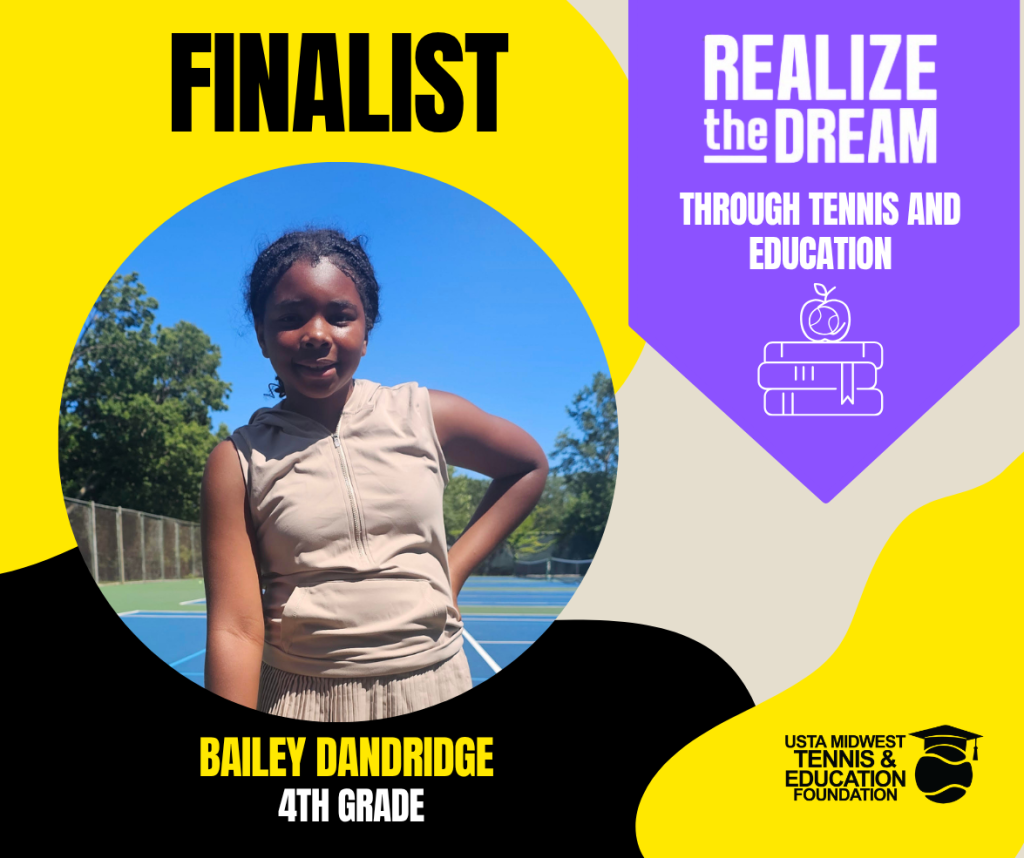
Bailey Dandridge
Using My Voice, Actions, and Love of Tennis to Help Others
Dr. Martin Luther King Jr. dreamed of a better world where people were treated fairly. Arthur Ashe showed people how to be brave, kind, and respectful. Even though I am still young, I think I can make a difference too.
I can use my voice to help others. If I see someone being picked on or left out, I can speak up and be a friend to them. I can also use kind words to cheer people up when they are sad or having a hard day. Sometimes, a few kind words can mean a lot.
I can use my actions by being kind every day. I can help classmates when they need it, listen to others, and treat everyone with respect. I can also help at home by doing chores and being a good example for younger kids in my family. Small actions may not seem important, but they can make someone’s day better.
My love of tennis can also help me make a positive impact. Tennis has taught me to work hard, stay focused, and never give up. It has also taught me how to win and lose with respect. Last summer, I was playing tennis with my brother Jaxon. He was just learning how to play and kept missing the ball. After a few tries, he got frustrated and said he wanted to quit. I told him that everyone has to practice before they get good at something. Then I showed him how to keep his eye on the ball and swing a little slower. We kept practicing, and after a while, he finally hit the ball over the net. He got excited, threw his hands in the air, and now he wants to play tennis all the time. Seeing the smile on his face made me happy too. That day taught me that being patient and encouraging can help someone believe in themselves. I can also encourage my teammates, help new players learn the game, and show good sportsmanship on and off the court.
Dr. Martin Luther King Jr. and Arthur Ashe showed that one person can make a difference. By using my voice, my actions, and my love of tennis, I can help others and make my community a better place. I may only be one person, but I know that even small acts of kindness can have a big impact.
Thank you,
Bailey Dandridge
Grades 6th – 8th Division Finalists
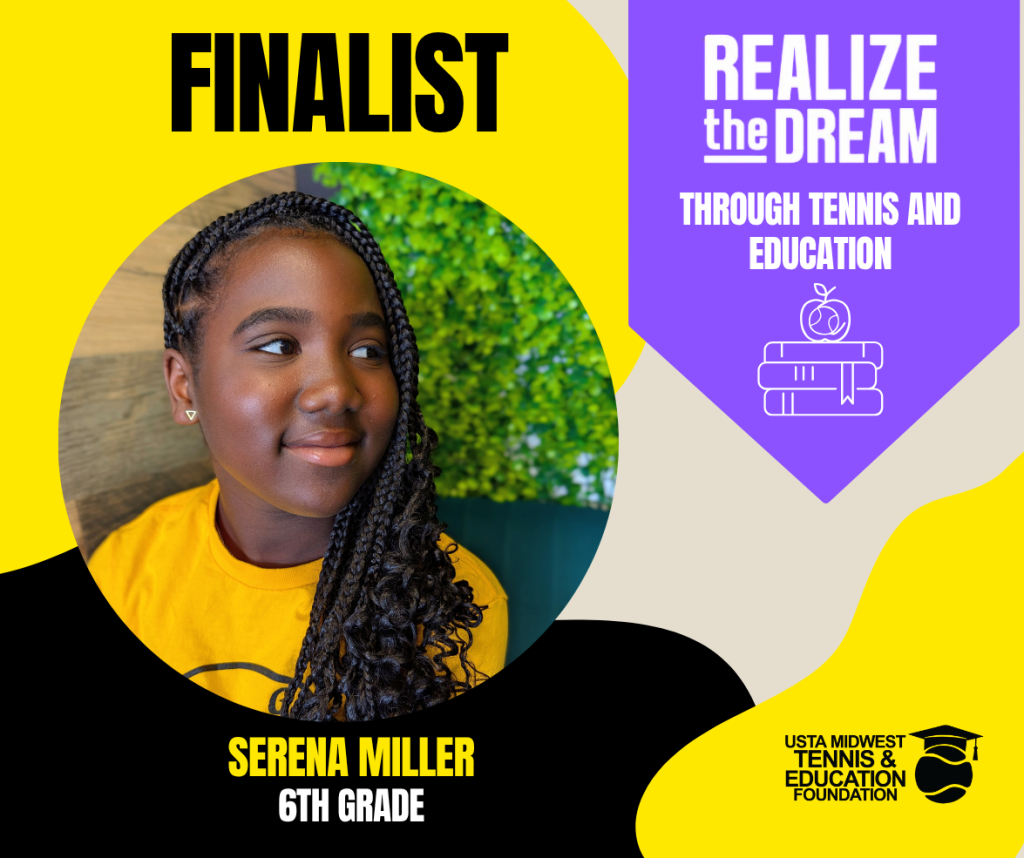
Serena Miller
Dr. Martin Luther King, Jr. once said, “We must walk on ahead with an audacious faith.” This quote is important to me because even if I don’t know what the future may hold or what obstacles lie ahead, I must still have faith and believe I can accomplish anything I set my mind to do.
There are numerous obstacles we face in life. That is why we, as a people, have to join together and support each other. This thought ties into the question: “How can I use my voice, actions, and love of tennis to make a positive impact on others?”
First, it is important for us to know why Dr. King and Arthur Ashe were amazing people. Both were trailblazers and activists. In 1969, Ashe fought against injustice to help improve Black lives in South Africa and the U.S., while also being a committed professional athlete. His bravery helped him win Wimbledon in 1975 and he was elected to the International Tennis Hall of Fame in 1985. Dr. King was a Baptist minister, civil rights leader and advocate of justice and peace through nonviolence. He faced many challenges and changed many people’s lives. He won the Nobel Peace Prize in 1964 for his courageousness.
Both of these extraordinary individuals showed resilience and courage by using their voices and actions to bring about change. King showed leadership throughout his life fighting for equal rights for everyone. Arthur Ashe showed courage as he fought for the equal rights of tennis players.
I am determined to lead by example for those who paved the way before me. I have participated in community service activities such as serving at food pantries, MLK service activities, and assisting with book and coat drives. Since I’ve had to interact with many individuals, I’ve used my voice and actions to help my community to become healthier and hopeful. I will continue to make a difference by serving others who are less fortunate.
My actions speak louder than words. When I am on the tennis court I have to be a competitor and show good sportsmanship. Being a good sport means, being respectful, showing honesty, and trying my hardest. My coach always says, “Every loss is an opportunity for growth,” which helps me to be mindful when I play.
I love tennis for several reasons. This game pushes me past my limits, keeps me active, and always gives me a challenge. I can encourage other tennis players and friends to focus on teamwork. When I play doubles with my friend from Bangladesh, we give positive feedback, communicate and tap rackets between points, and push each other back up. Even if we lose, we learn from our mistakes. And the cool thing is that this sport has brought us together.
I believe that if Dr. King and Auther Ashe were alive today, they would see how my voice, actions and love of tennis has made a difference in others lives, especially tennis players.
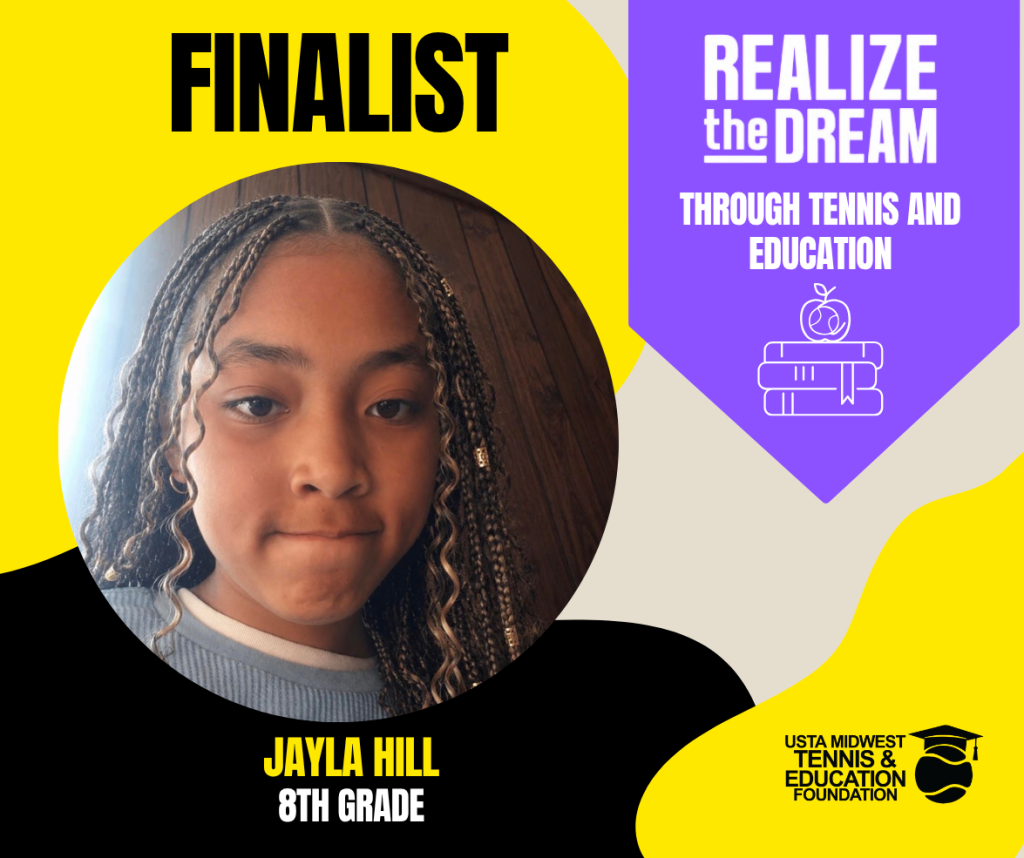
Jayla Hill
You can use your voice to make a positive impact on others in tennis by encouraging your teammates to keep going even if they are losing, to keep trying, even if they lose or win.
You can use your actions to make a positive impact on others in tennis because if somebody in your group is having trouble learning how to hold the tennis racket or hit the tennis ball, you could help them with your actions, and you don’t even have to use words to help somebody out.
In tennis you have to work in a group. While you’re working in that group and someone in your group is struggling, help them out. Also, in the Bible it says do to others as you would want them to do to you. So even if you don’t like someone, you could still help them out of love and unity.
When Dr. Martin Luther King Jr. had a dream of making the world better, he dreamed that all of us would come together and help one another in need. Arthur Ashe showed how to lead with courage and character. By Arthur Ashe doing that, he showed us how to be a better person socially, physically, and mentally. By helping other people, they see the goodness and kindness in you.
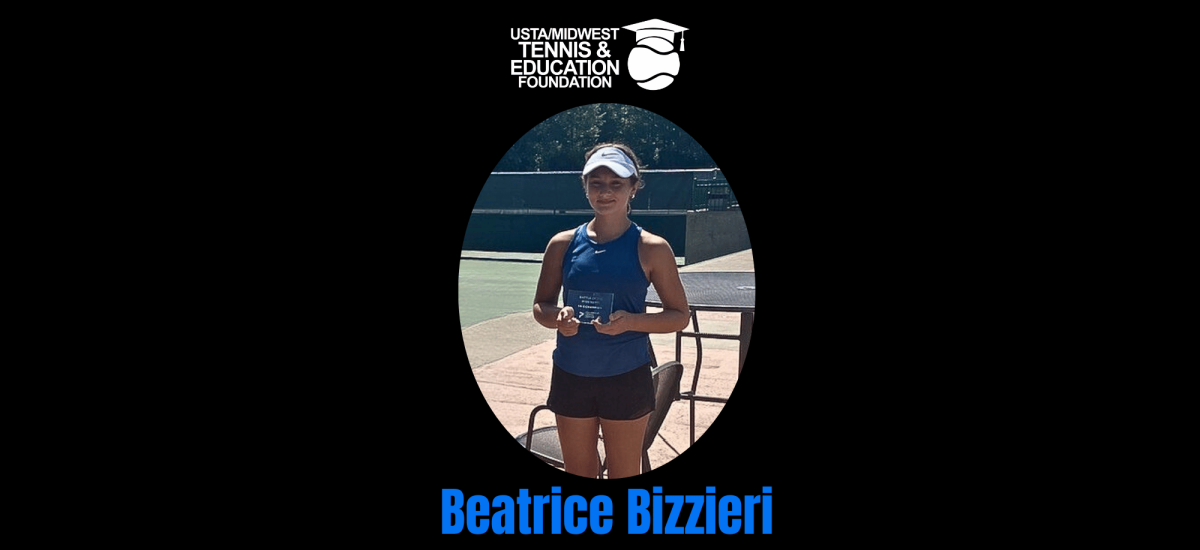
At the USTA Midwest Tennis & Education Foundation (MTEF), we know that talent is everywhere, but opportunity is not. Today, we are proud to share the true story of Beatrice Bizzieri, a young athlete who refused to let circumstances sideline her dreams.
For years, Beatrice faced a hurdle no training could prepare her for: she lost her place to play. Her local facility was bought out, the courts were removed, and her coach moved away. It was a crossroads that could have easily marked the end of her tennis career.
However, the path stayed open thanks to the Oak Lawn Park District and a professional player from Iran named Saddam Alzoobaidi. While Saddam wasn’t a junior coach focused on technique, he provided something just as vital: a home. He welcomed Beatrice and her siblings, feeding balls and hitting with them several hours a week. Without Saddam’s hospitality and the Oak Lawn Park District facility providing an indoor court, Beatrice would have likely walked away from the sport entirely to focus on more accessible activities.
Saddam’s support kept Beatrice’s game alive and her competitive spirit sharp until the trajectory of her journey changed forever at the 2023 Team Cup. It was there she met Coach Basit Sayed. Despite the years without formal technical coaching, Coach Basit saw Beatrice’s raw potential and the elite player she aspired to become.
By Fall 2024, Beatrice’s family made the commitment to get her back into consistent training. Balancing the schedules of siblings, other sports, and work, they began a weekly commute to train with Coach Basit. His belief in her as a multi-sport athlete and his commitment to her technical growth provided the “missing piece” Beatrice had been searching for.
“Most importantly for a coach, I can tell he believes in me,” Beatrice said. “When I work with him each week, I build and sharpen my tennis skills, but I also feel like I am taking one step closer to reaching my ultimate goal of playing professional tennis.”
To honor her dedication and fuel her path forward, MTEF and our partners are thrilled to announce that Beatrice has been awarded two major honors:
The Dorothy Kohl Grant: A $10,000 grant awarded to high-potential junior female players.
The MTEF Individual Scholarship: A $2,500 scholarship to support her ongoing training.
These funds ensure that Beatrice can continue her weekly private lessons, keeping her eyes firmly fixed on a professional future. Beyond her individual work, she was also able to begin group training with Hendricks Elite Tennis during their summer camp last year and continues to return for weekly group practices. This has given Beatrice the invaluable opportunity to thrive alongside high-level players and coaches Marcy Hendricks and Jack Randall.
Help Us Write the Next Success Story
Beatrice’s story is a testament to what happens when we invest in the grit and heart of our Midwest athletes. It highlights the life-changing importance of community members like Saddam, who keep players on the court, and the transformative “Coach Basit” moments that take their game to the next level.
But there are many more players still waiting for their moment and the resources they need to keep playing. Will you help us champion the next generation?
Donate to USTA Midwest Tennis & Education Foundation today. Every gift, large or small, helps a young athlete take their next step toward the court. You could make the difference.
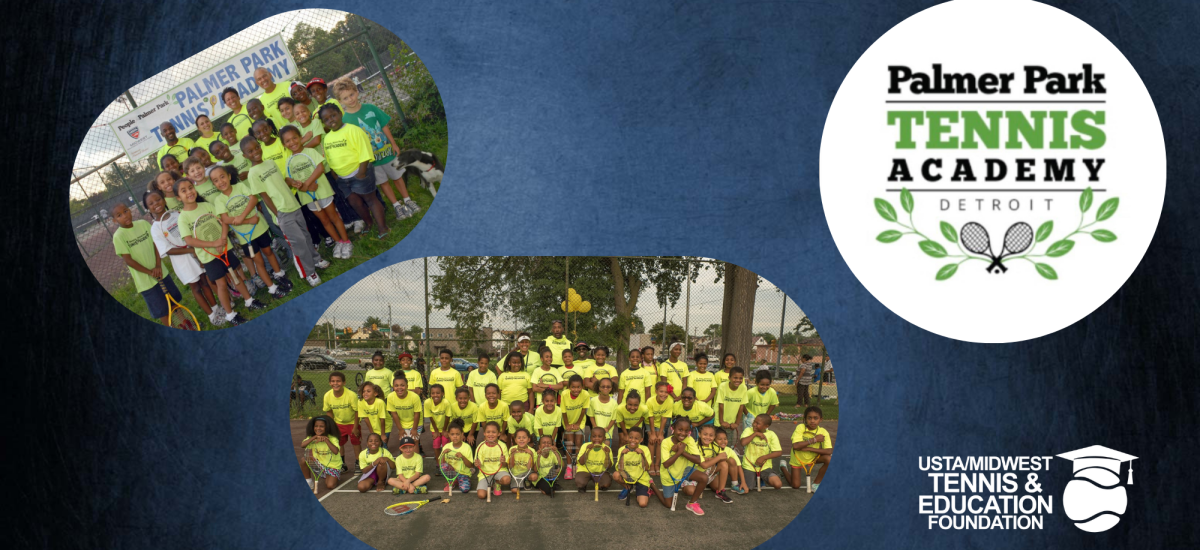
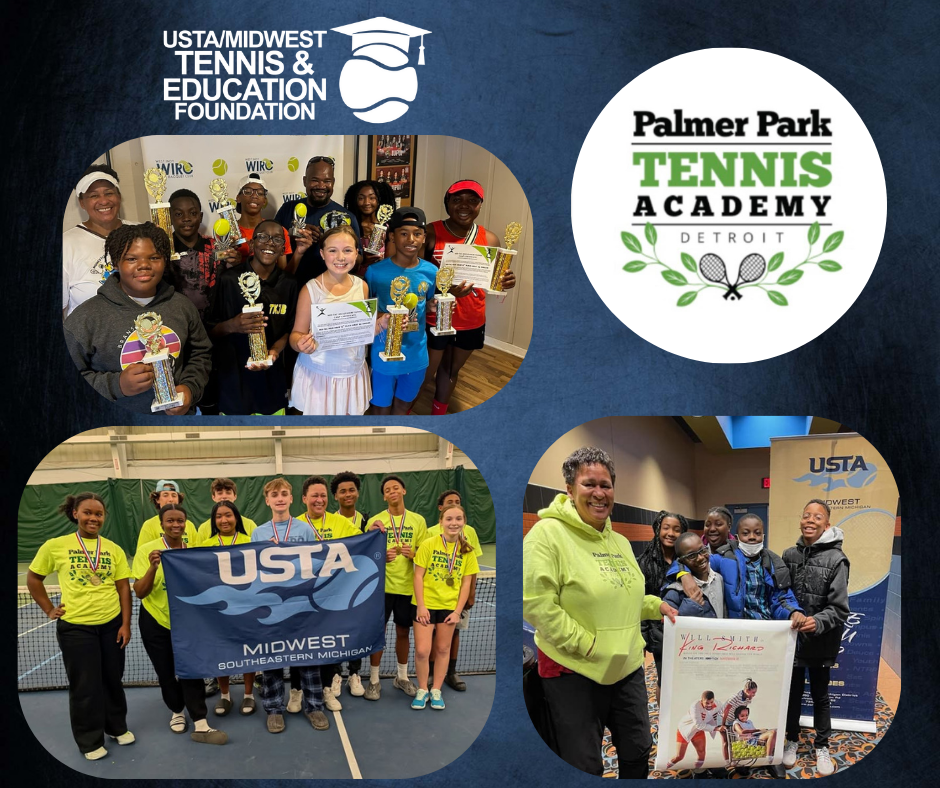
DETROIT, MI – The Palmer Park Tennis Academy (PPTA) in Detroit, a flagship program supported by the USTA Midwest Tennis & Education Foundation, has completed its 2025 summer season with resounding success, demonstrating its critical role in connecting the joy of tennis with life-changing educational opportunities for youth. Under the dedicated direction of Coach Leonora King, the Academy not only fostered exceptional athletic development but also significantly impacted the personal growth and academic trajectory of its students.
Building the Next Generation of Champions and Citizens
The 2025 program saw remarkable engagement, welcoming approximately 200 children to the Palmer Park courts. This robust turnout included a strong base of returning players and an infusion of roughly 50 new students across both the High Performance Day Camp and the Evening Beginner/Intermediate program. This growth underscores the community’s rising enthusiasm for tennis and the Academy’s effective outreach.
A creative example of this outreach was Tiny Tennis, an initiative championed by Wayne State University’s Shanty Uzcategui in collaboration with Detroit PAL, which successfully introduced children aged four to six to the fundamental joys of the game, instilling values like discipline and self-esteem from the earliest age.
Success On and Off the Court
The Academy’s commitment to competitive excellence paid dividends as the 18U Junior Tennis Team captured the Southeastern Michigan district championship, extending their winning streak in this USTA event for approximately the last four years. This consistent success is a testament to the comprehensive training provided to players who have progressed through every age division since 12U.
Beyond the competitive courts, the Academy’s true measure of success is its educational impact. PPTA proudly celebrated three students who earned collegiate tennis scholarships: Janae Troupe (Clark University), Nyla Terrell (Virginia State), and Taylor O’Neal (Bethune Cookman College). These scholarships directly align with the Foundation’s mission to increase life options for youth through athletic and academic support. Furthermore, the Academy’s developing pipeline is evident in the many students now excelling on high school tennis teams at institutions like Country Day, UofD Jesuit, Mercy High, and Cass Tech.
Exposure, Mentorship, and Community Spirit
PPTA ensured its students received invaluable exposure to top-tier tennis. For the fifth year, players attended the USTA Midwest’s Diversity Meetup at the Cincinnati Open, competing with peers from across the section and watching pros practice close-up. They also gained rare insight into elite tennis by serving as ball kids and special guests at the Cranbrook Classic pro men’s tournament, an experience that truly inspires them to believe in reaching that level. The annual trip to the Kalamazoo Boys Tournament, sponsored by Ven Johnson Law, continued to be a highlight, offering a national perspective that motivated players, culminating in David Jones qualifying as an alternate this year.
The Academy also fostered a powerful culture of giving back. Several past students, now college freshmen and sophomores, returned to Palmer Park to join the coaching staff, eagerly enhancing their skills through Semta-offered coaching seminars and passing on their knowledge to the new class of beginners. This mentorship loop is key to building sustainable community leadership.
The summer’s fun culminated in the annual Lights, Camera, Action Party, a community celebration marking the court lights installation, featuring music from The Voice contestant Zania Alake and allowing players to enjoy the courts late into the Detroit night. This event beautifully captured the fun, inclusive spirit that makes Palmer Park a community treasure. With continuous professional development from national experts like USTA footwork specialist David Bailey and Sports Psychologist Dr. Jason Novetsky, the Academy maintains its position as a leading force in youth development.
Take a look at Palmer Park on America’s Black Journal.
Here at USTA Midwest Tennis & Education foundation I’d like to highlight one of our own NJTL programs and their positive impact on their community. Advantage Cleveland Tennis and Education, Inc. (AdvantageCLE) is a wonderful organization with a heartfelt mission: to use the power of tennis and education to lift up the youth of urban Cleveland. More than just teaching backhands and serves, AdvantageCLE creates a safe space where kids can grow, learn, and dream big. The goal isn’t just about athletic skill; it’s about giving children the tools for a lifetime of success and building stronger, healthier futures.
The program offers fantastic opportunities year-round, including a free Summer Camp that blends tennis with vital subjects like literacy and STEM. There’s also the ACE After-School Program (Athletics, Creativity, and Enrichment) and the GRIT (Girls Rising in Tennis) Program, dedicated to building confidence and resilience in young women. By partnering with organizations like the USTA Foundation and local schools, AdvantageCLE has been able to reach over 4,000 students since 2010. They are truly dedicated to rebuilding the spirit of tennis in Cleveland while providing crucial support that helps every child thrive, on and off the court.
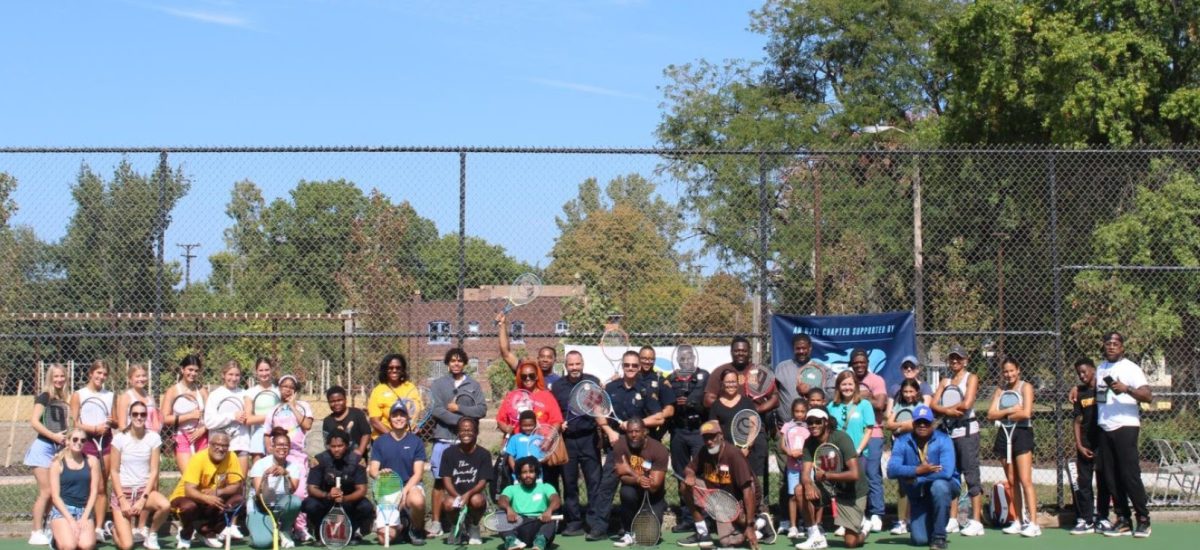
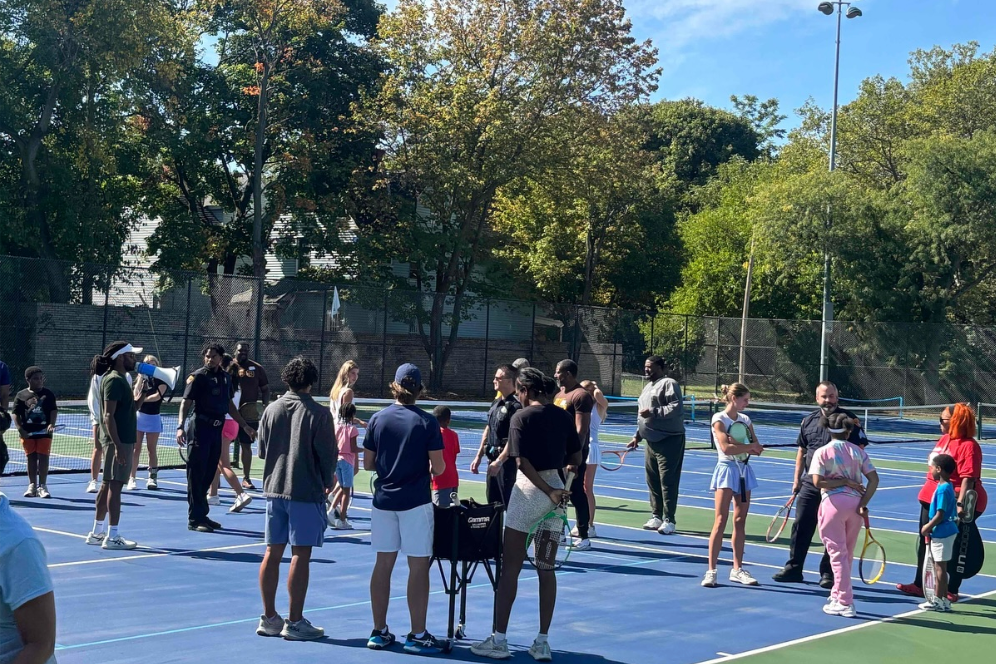
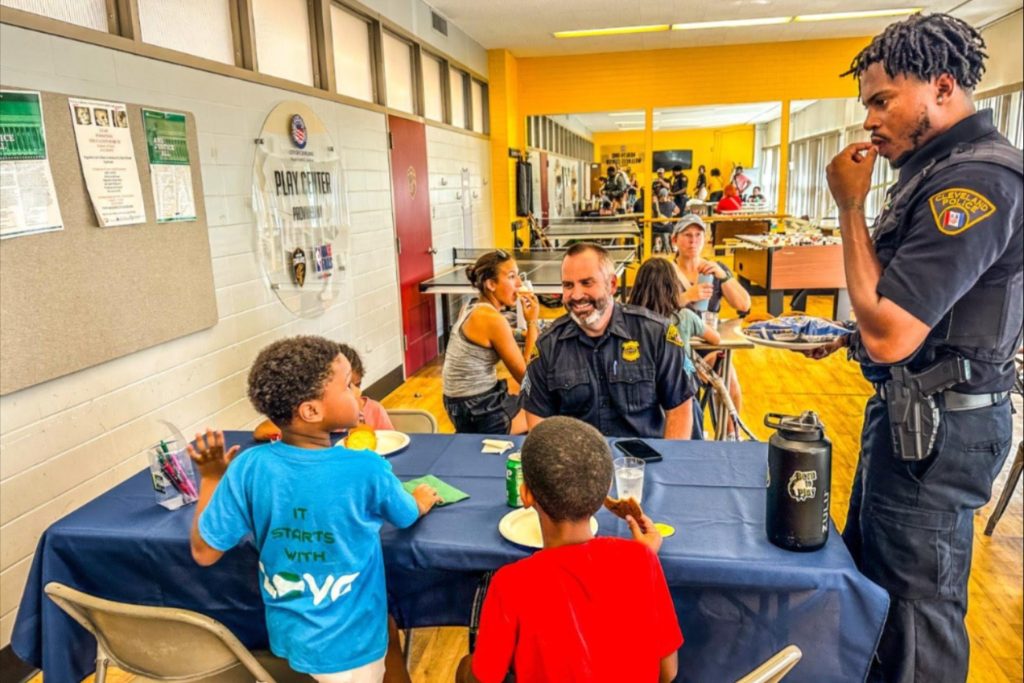
On September 27th, AdvantageCLE hosted their very first Serve & Protect community tennis event at the Thurgood Marshall Rec Center, in Cleveland Ohio. There players enjoyed community connection, tennis, and got to connect with local area police officers from Cleveland’s 3rd District Precinct where they got the opportunity to have a Q&A, share experiences, and build positive relationships with the ones that serve them right back.
“A huge extra shout out goes to the police officers from Cleveland’s 3rd District Precinct who gave their time to join us and connect with our students, and to the incredible volunteers (including the Gilmour girls’ team, staff from Mary B. Martin, players from Hawkin, students from CWRU, and members of the Iota Phi Theta Fraternity) who made this event possible with their dedication and support. We are so grateful for your commitment to helping us strengthen our community through tennis. We look forward to more opportunities to bring people together on and off the court!” -Advantage Cleveland Tennis and Education, Inc. (AdvantageCLE)
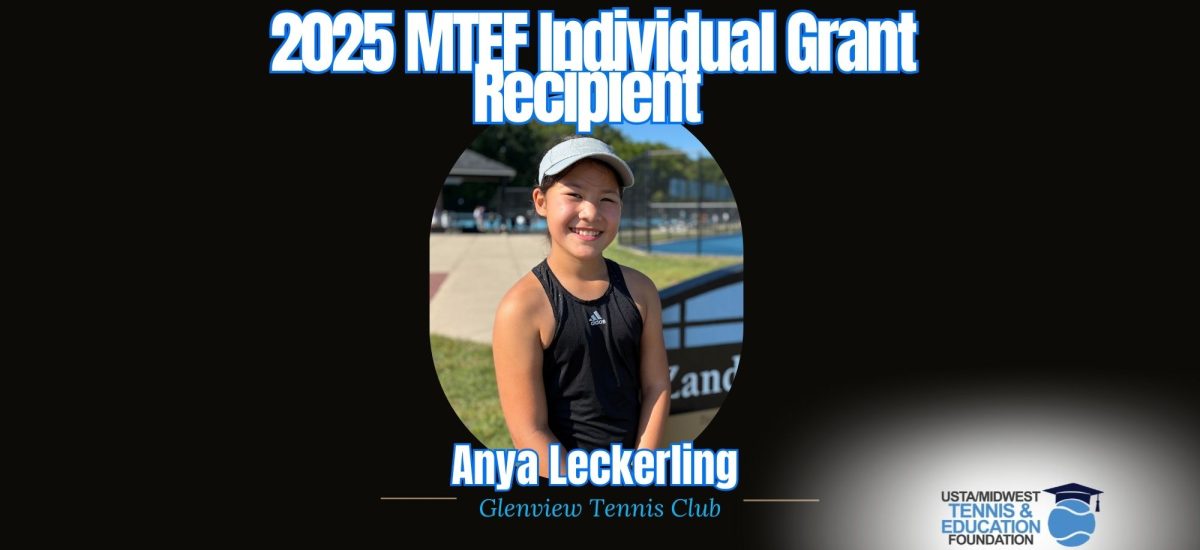
Glenview, IL – Meet Anya Leckerling, a 10-year-old tennis whiz from Glenview who’s got her sights set on becoming a pro! She recently scored an MTEF individual grant that’s going to help her get there.
Anya knows that to be the best, you’ve gotta play the best. “I know that getting better at tennis means playing the best players I can,” Anya shared. But playing against top-level competition means traveling to expensive tournaments and staying in hotels far from home. “My parents don’t have a lot of money, so this grant means that I can travel to big tournaments and compete against good players this year. It makes me really happy!” Anya said.
Beyond her powerful serves and lightning-fast volleys, Anya admits that her biggest challenge has been her mindset during tournaments. But she’s got a game plan for that too! “I know my mentality will get better with more experience,” she said, showing how smart she is about her game. This grant isn’t just about money; it’s about getting her more time on the court, building up that mental toughness, and becoming a true champion.
And who’s been by her side through it all? Her fantastic coach, Andrew Hetsko (@ajsko1984)! Coach Andrew has been teaching Anya since she was just six years old. “Coach Andrew cares a lot about me and my tennis and always keeps practice fun,” Anya said with a huge smile. “He has made me a much better tennis player. I’m so happy he’s my coach!” Their awesome bond proves that great coaches do more than just teach; they inspire!
As Anya gets ready for a super exciting year of tournaments, her story is a big hit in Glenview and beyond. Everyone at the Glenview Tennis Club and the Glenview Park District is cheering her on, excited to see this amazing young player shine even brighter. It reminds us all that with talent, never-give-up spirit, and a little help along the way, young athletes can smash through any challenge and make their biggest dreams come true!
For nearly a century, the Glenview Park District has been at the center of recreation and community life. With parks, trails, cultural landmarks and family programs spread across town, the district has something for everyone. One of its most active hubs is the Glenview Tennis Club, where the sound of rackets and laughter fills the courts year-round.
The Tennis Club stands out as one of the area’s premier indoor public facilities. It offers leagues, private and group lessons, and competitive tournaments, giving residents of all ages and skill levels a chance to get in the game. From children learning their first serve to adults chasing a powerful backhand, the courts are always alive with energy.
District leaders say the Tennis Club is more than a sports facility. It’s a place where neighbors meet, families connect, and players build friendships as well as skills. The year-round indoor space means the sport doesn’t stop when the seasons change, giving residents a reliable option for fitness and recreation.
The Tennis Club is part of a much larger network of programs and facilities run by the park district, which has served Glenview since 1927. Alongside parks, ice rinks, pools, and historic spaces, the club continues to draw athletes and casual players alike, reflecting the district’s commitment to active lifestyles and strong community ties.
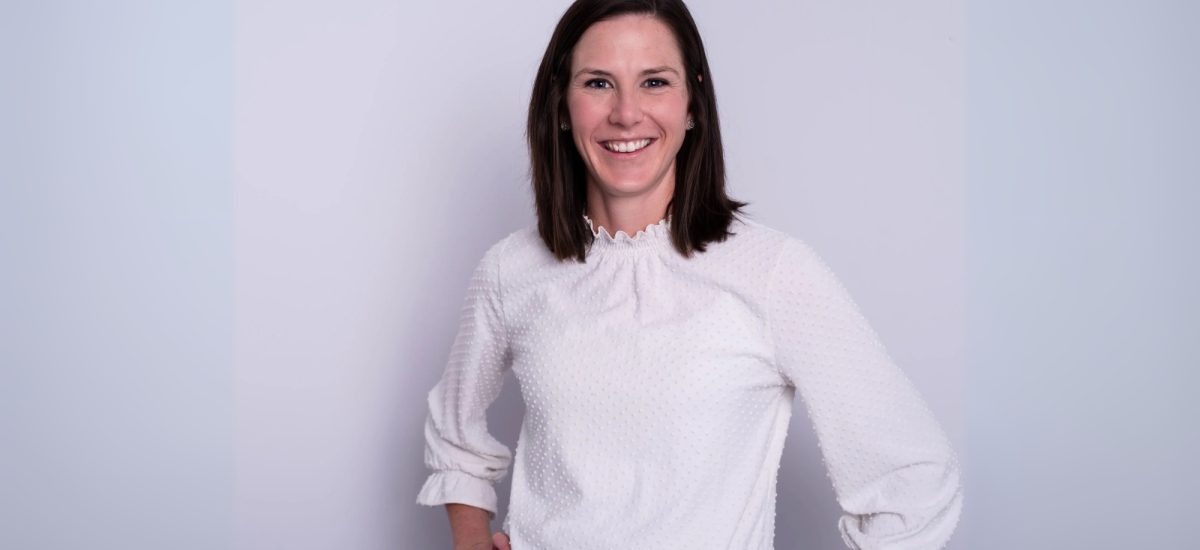
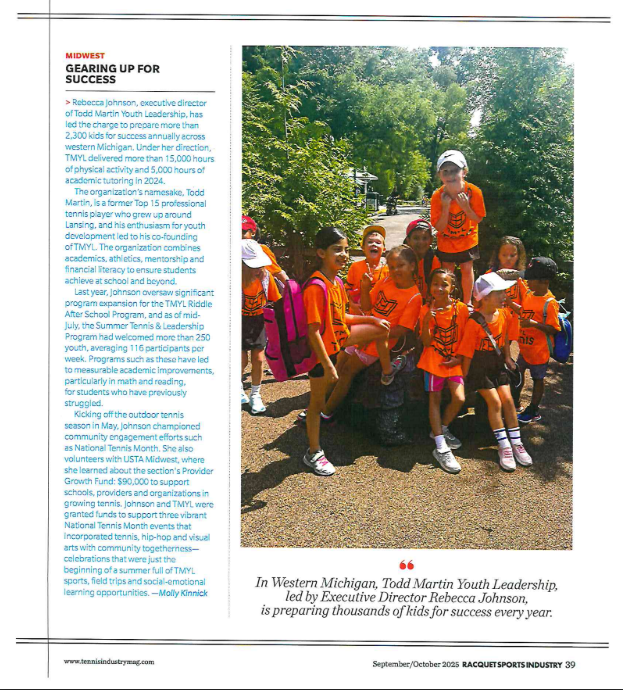
One of MTEF’s board members and Todd Martin Youth Leadership’s executive directors Rebecca Johnson was highlighted in an article in RSI Magazine. You can read the full story here on page 4.
Rebecca Johnson serves as the Executive Director of Todd Martin Youth Leadership (TMYL), a National Junior Tennis and Learning (NJTL) chapter based in Lansing, Michigan. With over a decade of dedicated experience in youth development, Rebecca brings a wealth of knowledge and passion to her role.
Her diverse background includes teaching middle school and working as a school social worker, providing her with invaluable insights into the challenges and opportunities facing today’s youth. For the past seven years, Rebecca has been at the helm of TMYL, where she has successfully expanded the organization’s reach and impact in the community.
A committed volunteer, Rebecca has been actively involved with USTA Midwest for six years, serving on both the Community Tennis Association (CTA) and Grassroots committees. She currently serves as the chair of the Coaches/Providers committee.
Rebecca’s multifaceted experience in education, social work, and tennis program management uniquely positions her to foster holistic youth development through the powerful combination of sports, education, and character-building initiatives.
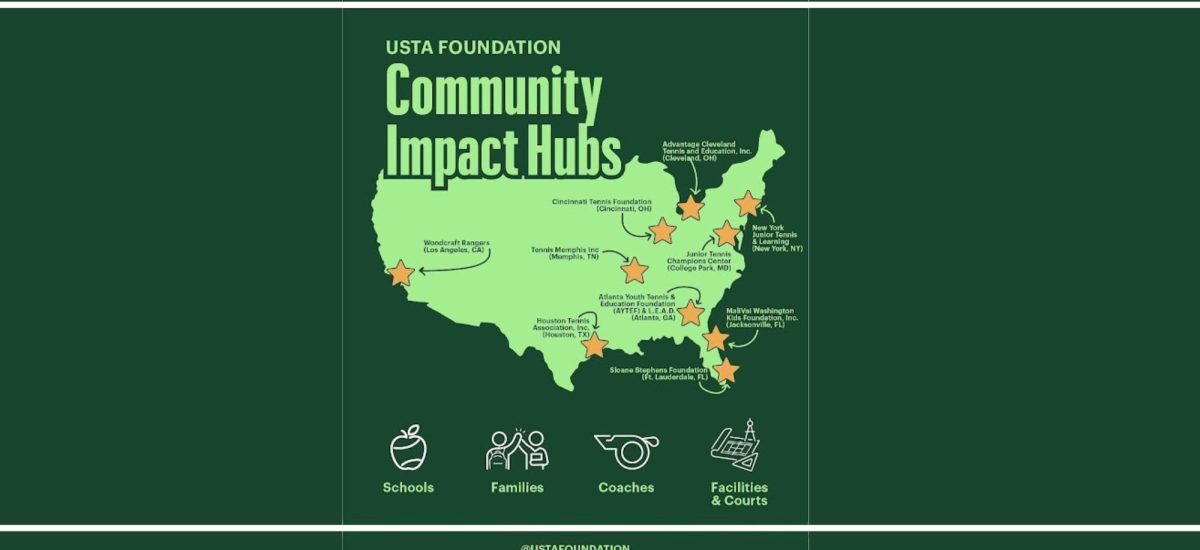
CLEVELAND (Sept. 4, 2025) — The USTA Foundation has announced the launch of its first Community Impact Hub initiative, and two Midwest organizations, Advantage Cleveland Tennis and Education and the Cincinnati Tennis Foundation, are among just 10 programs nationwide selected for the honor.
The designation comes with a multi-million-dollar national investment aimed at expanding tennis in under-resourced communities and using the sport as a catalyst for education, mentorship and family engagement. Out of more than 270 National Junior Tennis & Learning programs across the country, the 10 chosen hubs will serve as models for how to grow access to tennis and strengthen community ties through the game.
“This is a huge win for the Midwest,” said Liz Deegan, executive director of AdvantageCLE. “We’re honored to be one of the first Community Impact Hubs, and this funding will allow us to introduce more kids and families to tennis while also expanding opportunities in schools, coach training and community court access.”
National coverage of the announcement included a Forbes article highlighting how the USTA Foundation’s $6 million investment will help refurbish courts, recruit coaches and reach more than 630,000 young people and families nationwide by 2027.
For the Midwest, the recognition of both Cleveland and Cincinnati shines a spotlight on the region’s growing role in shaping the future of tennis. AdvantageCLE has long been known for combining tennis with academics and mentorship while similarly, theCincinnati Tennis Foundation has built community programs that blend athletic growth with educational support.
“This is about more than tennis, it’s about breaking down barriers,” said Jenna Alfieri, academic program director at AdvantageCLE. “By investing in young people, families and coaches, we’re creating a pipeline of opportunity that will change lives in Cleveland and beyond.”
The Community Impact Hubs initiative will focus on four areas:
Tennis in schools: Expanding free and low-cost programming to bring tennis into classrooms and after-school programs.
Family engagement: Encouraging parents and children to learn, play and grow together.
Coach training: Developing a diverse pipeline of certified coaches to mentor the next generation.
Court access: Investing in improvements that make safe, well-maintained courts available to all.
The recognition of two Midwest hubs underscores the region’s leadership in expanding access to youth sports. USTA Midwest officials are encouraging community members to follow AdvantageCLE and the Cincinnati Tennis Foundation on social media to track their progress with the grant.
With the support of the USTA Foundation, both organizations are positioned to expand the role of tennis in young people’s lives.
Grandma By: Cameron Wilson “POW” What happened? My mother rushed to the bathroom. My mother found my grandmother on the floor. She immediately called the ambulance to find out what was going on. She waited for the ambulance to get there and they took my grandmother to the hospital. After that my mother called my auntie, my auntie rushed to the house in an Uber. After that, my auntie and mother went to the hospital. The doctor told my mom that my grandmothers heart stopped and they had to run tests on her. She had many tubes to help her breathe. My mom and auntie waited in the hospital a bit and when they got back my mom told me and my brothers. I felt sad finding out my grandmother was in the hospital. My grandmother was my best friend. She always used to tell me stories and she was very funny. We used to visit her all the time and she gave us good gifts. She always used to watch movies with us and after that we had popcorn. A few days later, I found my mother and my oldest brother crying in the living room. I knew what happened so I started crying too. When we told my other brother, he was crying and screaming. Losing my grandmother was very tough. She always congratulated me when I did something good and we were always together. What I learned from this is that God takes who he wants to take. He takes his time and everything coming out of him is good energy. God loves everybody and God is kind. He is very giving, but when it is a persons time, it is there time. He has it is his heart, he is great and watches everyone. He even loves those who do not love him. I have never seen him but he is good, he is the closest thing to perfection there is. No one is perfect but he is close. He has blessed every soul. He loves everyone and everyone should love him. He loves deep and he wants to help everyone and wishes for peace on Earth. Something that helped me a lot is the support I got from my teachers. They helped me talk about it and made me understand that I could have thoughts about it. I also have a therapist that I talk to that helps me feel better. Something fun that I do is pray and talk to my grandmother like she is right here. She may not respond, but I know she hears me. Every night I want to talk to her. She was a wonderful person. She used to me to be kind, she helped me with my homework and also said it doesn’t matter what other people say. Regardless if I get mad at my mom or my brothers, I still love them. They make me feel better when I am down. That is what family is about.
2. Sage Williams –
Here’s Sage’s Story-
My name is Sage and I am 10 years old. I live in Indianapolis. I love sports. My work at school is too hard. Every time I try to do it, the work makes me frustrated. I get very frustrated. I learned
that instead of getting frustrated, I can tell my teacher how I feel and then, I can go to the chill out room. It is a big room. There’s nothing in there and there’s wallpaper. I run around and play in the room, because it helps me calm down. My work is hard, because I have Autism. Sometimes, I don’t want to be called autistic, because when people say that, I get bullied. I don’t like that word. To me, Autism is fine. I just don’t like bullying. I want bullying to stop. Autism is a different ability. Life is about how great you are. Who you are is about loving and caring. It’s about caring and loving
your family. I learned about Autism from my teacher. I learned that I am different. I like that I’m different. I have a unique personality. I’m very smart. I’m very intelligent and very wise. I have friends and they like me. It does not matter if others do not. I love myself. I care about myself and I’m capable. I’m smart and I now get all my work done very quickly.
I also have learned that I am a good basketball player. I like to shoot from very far from the basketball court. Now that I know more about Autism and how to handle my feelings, I know that I have so many special,
different abilities.
3. Elijah J. Wimberly
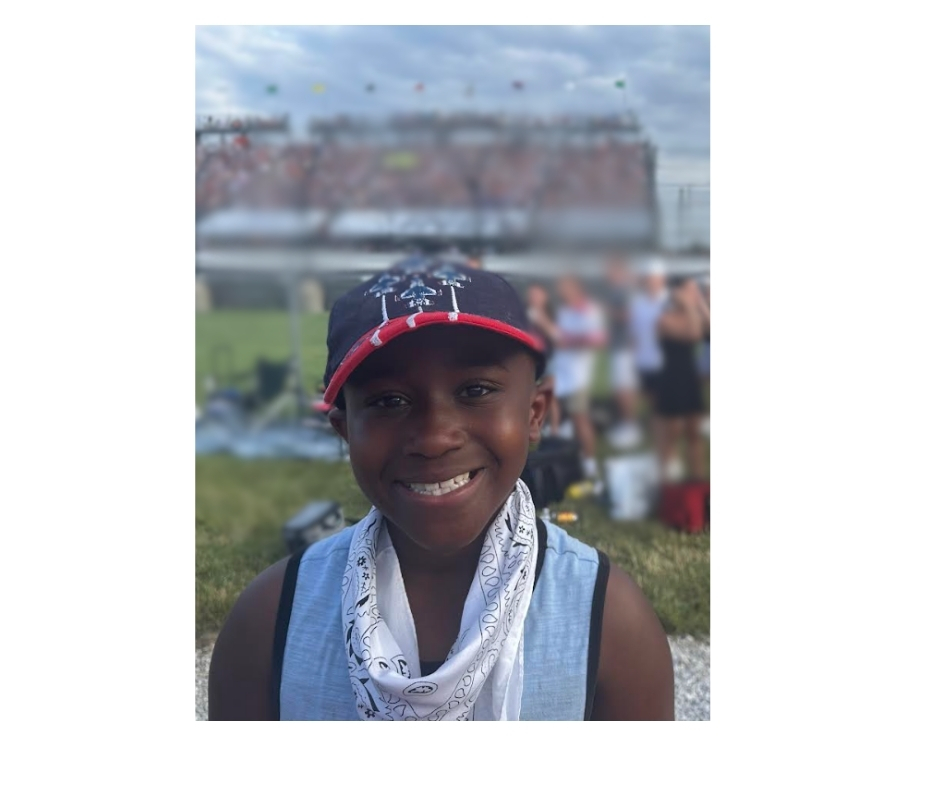
Photo & Editing credit: Elijah J. Wimberly
Cochlear Implant Disaster by Elijah J. Wimberly
I was born deaf in both ears,and I use cochlear implants to hear. One night I fell asleep with my cochlear implants on. That was bad because I need to charge them every night when I go to bed. When I woke up, I saw that it was on the table. But then I made a terrible discovery. It didn’t have its clip on! At first I thought that it just came off. I looked around it and under the table. No clip. I looked under the bed. No clip. I searched all around the room we were in. No clip. This was bad because we were supposed to leave my great grandpa’s house that day. Finally I told my parents. Boy were they mad. They helped me look for it and then said I had to pay $100 to get a new one. From that day on, I knew that I should take better care of my stuff.
WHAT I LEARNED:
My first problem happened when I fell asleep. I had my cochlear implants on which started
this whole mess. I have to remember to charge my cochlear implants EVERY night so this sort of thing doesn’t happen. My second mistake happened when I actually lost my cochlear implant clip. This leads to panic. So if I don’t want to run all around the house, I should keep track of my things.
HOW CAN I APPLY THIS TO OTHER SITUATIONS IN MY LIFE:
Responsibility: If I get something like a new jacket and wear it to school,then I need to make sure that by the end of the day I bring it home with me.
Honesty:Lets say I forgot to do my chores and my dad asks me if I did them or not. If I’m honest then I tell him that I forgot to (you’re probably still gonna have to do them).
Accountability: If I eat candy and I’m not supposed to and my mom asks who ate the candy then I would have to take full accountability.
Consequence: After all that accountability and stuff there might be a consequence for your actions. It might be, no screen time, no candy, or even time out.
Helpful:If you see a person who maybe needs help picking up something they dropped, getting back up, or finding something then go ahead and help them.
Disappointment: Let’s say you have a math test coming up you study hard but still fail. You might get a feeling in your body. Meet disappointment (luckily, you still have another chance so cheer up!).
Bravery: Yay it’s your first time on a diving board! You get a tight feeling in your stomach, but you still go for it! You met bravery
Resilience: You just got in trouble for eating the candy. Your mom sends you to your room. You’re stuck there. But then you start to think positive! Soon you’re happy knowing you won’t do it again.
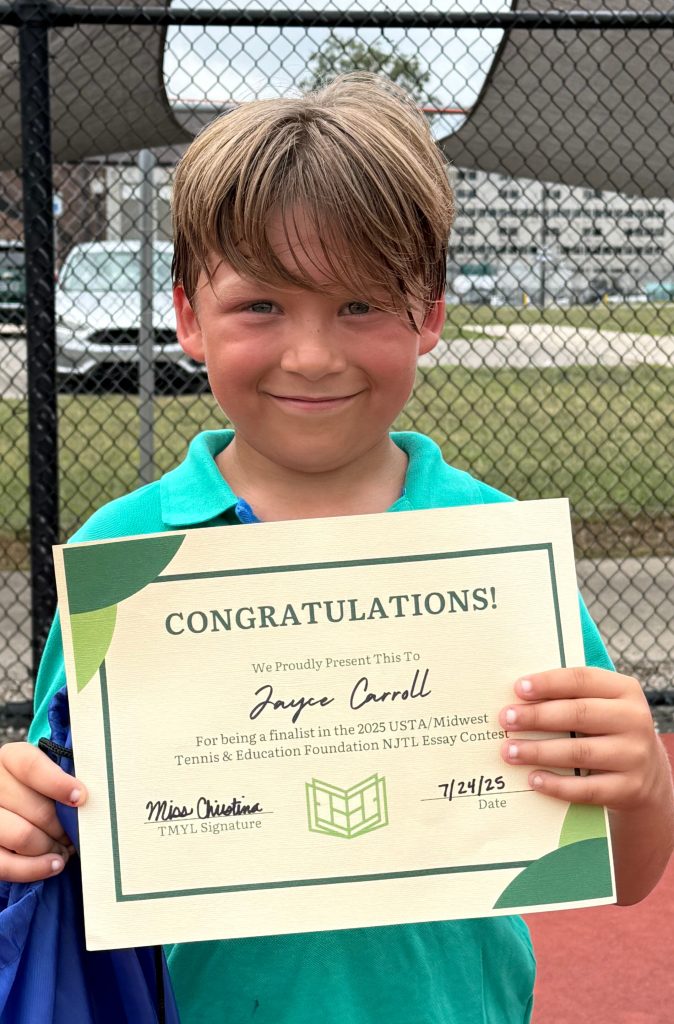
4. Jayce Carroll
My mom signed me up for tennis lessons to learn how to play. I was nervous and didn’t want to go. My first time was very hard and I got frustrated. I had a hard time with forehands, backhands and getting the ball over the net. It was not easy.
After a few weeks I finally did a forehand and a backhand over the net. I started playing games with other kids. When I won a game, I was very happy. Sometimes I lost but I didn’t get mad. Win or lose it was OK, maybe next time.
I started practicing hard and listening. With training, I was getting better and better. I was almost the best player in my group. I received an award for most improved player. I learned not to quit when it gets hard. What’s more important is to have fun and play the game.
5. Peyton Hampton
I feel like these are very complex questions because there is not one correct answer because people much like fingerprints are all VERY different from the next. One instance I can think of that really stands out to me is when I lost my first tennis match and it was very discouraging and really took a stab at my self-esteem because it was one of the first matches I played and if I lost this one, I felt than this could set the base for a tennis career I decide to pursue in the future. All of these thoughts went through my head. And for some time after that loss, it made me not even want to compete anymore. And this loss dug extra deep because we traveled two hours away to lose. It feels like I traveled all this way for disappointment and that can be really hard on how you feel about yourself. This made me feel like everyone was depending on me and I let them down by losing and letting myself down. Another instance I could think of that stands out to me is when I went to my aunt’s house and what was intended to be a happy and fun filled day turned out into something different that ended up a trip to the emergency room for the first out of two times that week. Everything was going perfectly until my knee got caught in a wicker basket and it sliced 3 inches down my knee and I had to go to the emergency room and then not even a week later I got stabbed in my eye by a straw and landed me in the emergency room for the second time in a week. All of these instances are not ideal for me but they happen and I had to build around them. Even though these obstacles were placed in my way I still had to adapt and learn. I learned from losing my first tennis match that not every game I play will come out with the outcome that I want but as long as I do my best, you can do nothing but learn from that point on. I learned from splitting my knee that I need to be more conscious of my actions and my surroundings. I learned similar things from the straw incident, such as I need to keep straws away from my eyes (joke to kinda lift the mood). Every situation has something to learn from every single experience and you can also learn from MANY different sources, like adults can learn from kids and even babies and vice versa because nobody is too smart to learn from anyone. Everyone can learn from anyone.
5. Dana Roman
The Move That Changed Me
“Catch the ball, Dana!” yelled Jason. “Okay!” I, in fact, did not catch the ball. “Come inside, guys!” says my grandma, who I call Lela. “Okay!” we yell as we run inside, giggling—not knowing that soon we would be torn apart. A week later, my grandma tells me that we are going to move to my mom’s building (which she owns). At first, I am super excited that I will be closer to my mom since she is a 45‑minute drive away. But then it hits me. What about the home I grew up in? What about my friends? What about my family being closer to me here? What about Jason, who I’ve had in my life since I was a little girl? What about my popularity that I had as a 4th grader for being kind and sweet to everyone I knew? I hadn’t noticed that the house was getting emptier and emptier each day. I was just a kid who still hadn’t understood what moving would change for me. My last day of 4th grade was horrific. I was crying all day with my friends, and at this point in time, I still hadn’t realized that I wasn’t going to return next year to that very school. When I finally found out, I begged my mom to let me go back to the same school, but she said it would be a whole hour away. To cheer me up, my grandma promised me one last play date with Jason. That was the only thing keeping me going. To just have one last play date with my best friend meant the world to me. To be able to have one last goodbye was everything to me. Until… it was time to move. The day I had been dreading the most—the day where I would have to say goodbye to the home I loved most. My mom’s best friend, Patrick, helped us load all of our belongings into the U-Haul truck. Patrick and I have an amazing bond and friendship, which made me happy to know that I had a friend in this tough moment. As we drove away, I looked back into the side mirror to have one last glance at my old house. I then realized that I never had a chance to say goodbye to Jason. My grandma had completely forgotten about our play date due to all of the stress that was upon us. I was heartbroken, but I didn’t want to add more stress to the pile of stress. When we got to my new house, I almost cried. I never got to say goodbye to Jason, but I kept it together and said, “It will be okay.” And it turns out, it was okay. I made a new friend named Mariajose, but she later moved to Russia. That’s my story. I haven’t seen Jason since, but it turns out that everything will be okay in the end.
6. Darius Thurmond
Everyone faces tough times sometimes.
Hk: one time that didn’t go my way, was when you go through something that is hard that’s not fair and didn’t go my way is where someone has more than you have that was not fair.
Like it was better than the things I have. I was negative, sad,unhappy, along with being questioned all the time so I had time to think about where I come from and what I still go through. That still hurts to see I wish I had that, and materialistic wealth.
But the truth I’ve come to realize is to be grateful for what you have, and thankful for ruff over my head, and food in our stomachs and clothes on our back.
And having a hardworking mom that stays up all night, and being smart,knowledge,potential,
Along the way. And having to deal with hurt, and pain along the journey has given me patience,and courage, so with all those tough times I turn it to a better perspective of myself. Ive choose happiness over everything,to make it go away and make me a stronger person such as giving me responsibility and overcoming the difficulties of hardship, and having to deal with it. And having someone to talk to about what I have succeeded and overcome to prove myself a better resource to other along the way and make them feel good about themselves
So I’ve become intelligent, hardworking,1%,and doing the right thing when nobody’s looking. And having a ton of respect to the people whose needs. And building resilience , and having a positive mindset. And I learn to acknowledge the situation even when someone says something out of mind. I learn to maintain a positive attitude by implementing these activities and learn to adapt,and always being open about the things I have on my chest.
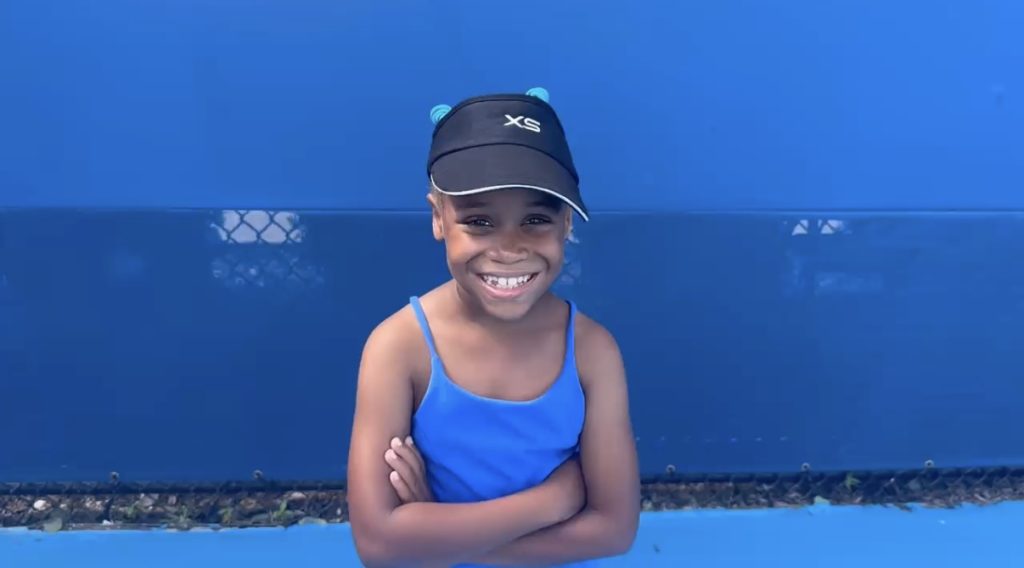
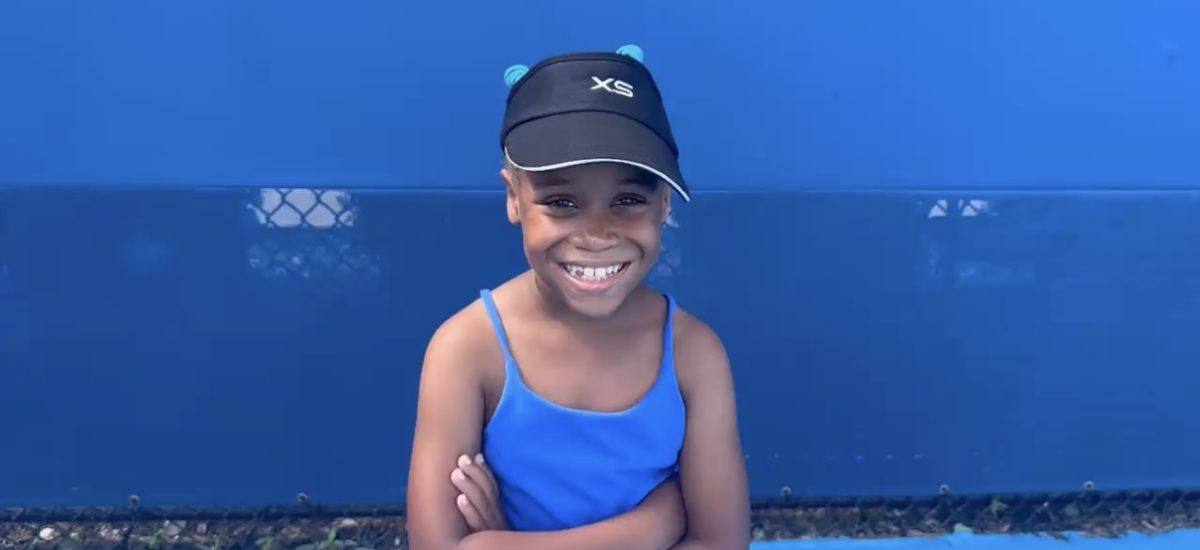
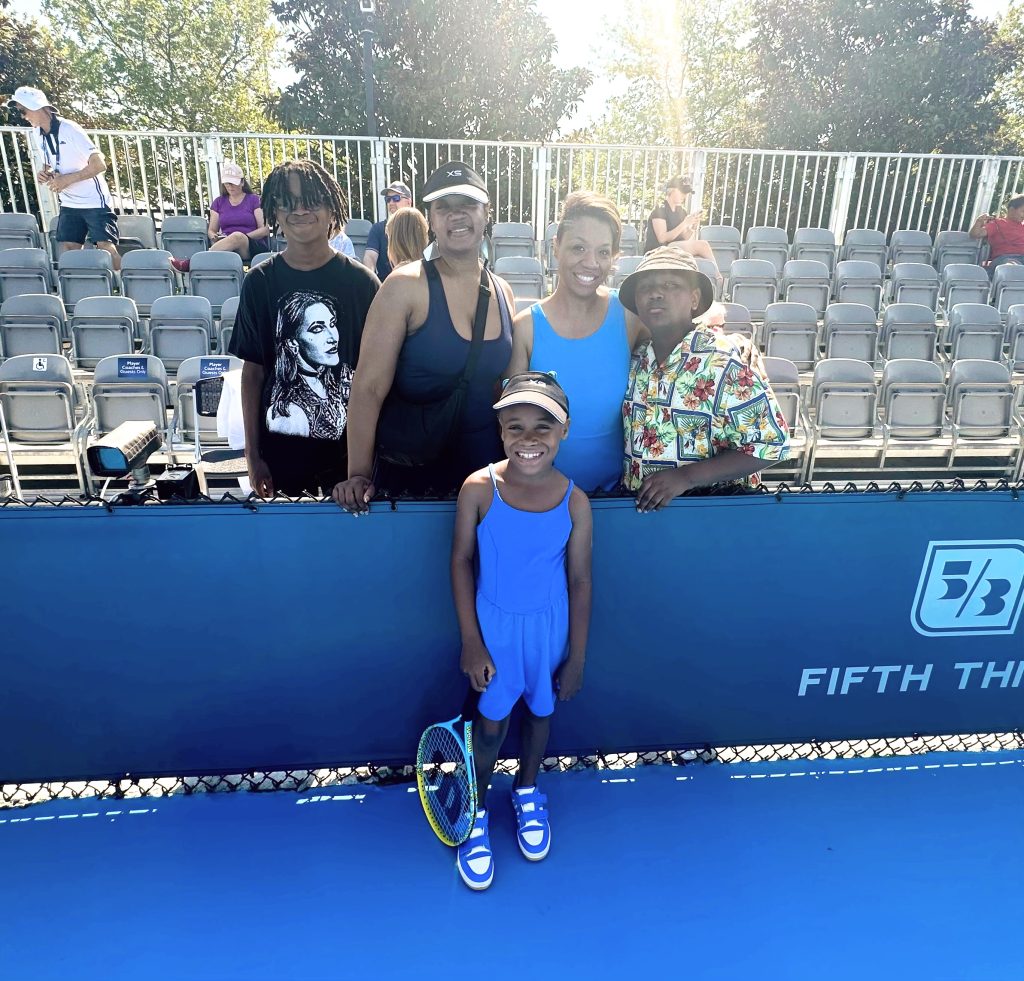
Cameron Wilson from XS Tennis in Chicago had the trip of a lifetime after winning our 1st annual USTA Midwest Tennis & Education Foundation NJTL Essay Contest that earned her and her family a getaway to Great Wolf Lodge and front-row seats at the Cincinnati Open.
Cameron’s winning essay, “Grandma” (see full story below), was written in honor of her grandmother, who passed away in 2022. “Even though one of your loved ones may not be here, they’re still with you,” Cameron shared in an interview with Zoy Brown, NJTL Staff Liaison with USTA MTEF.
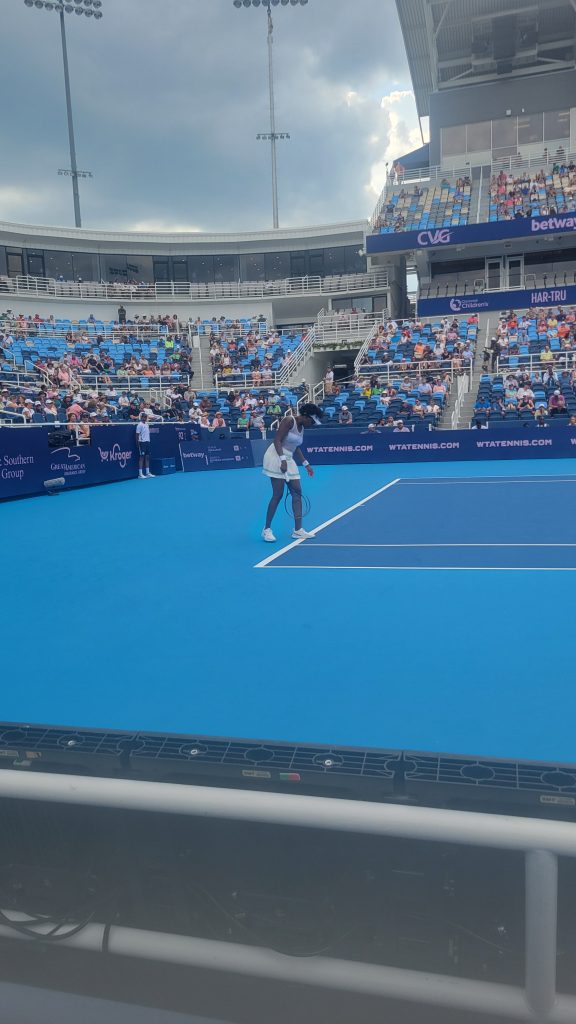
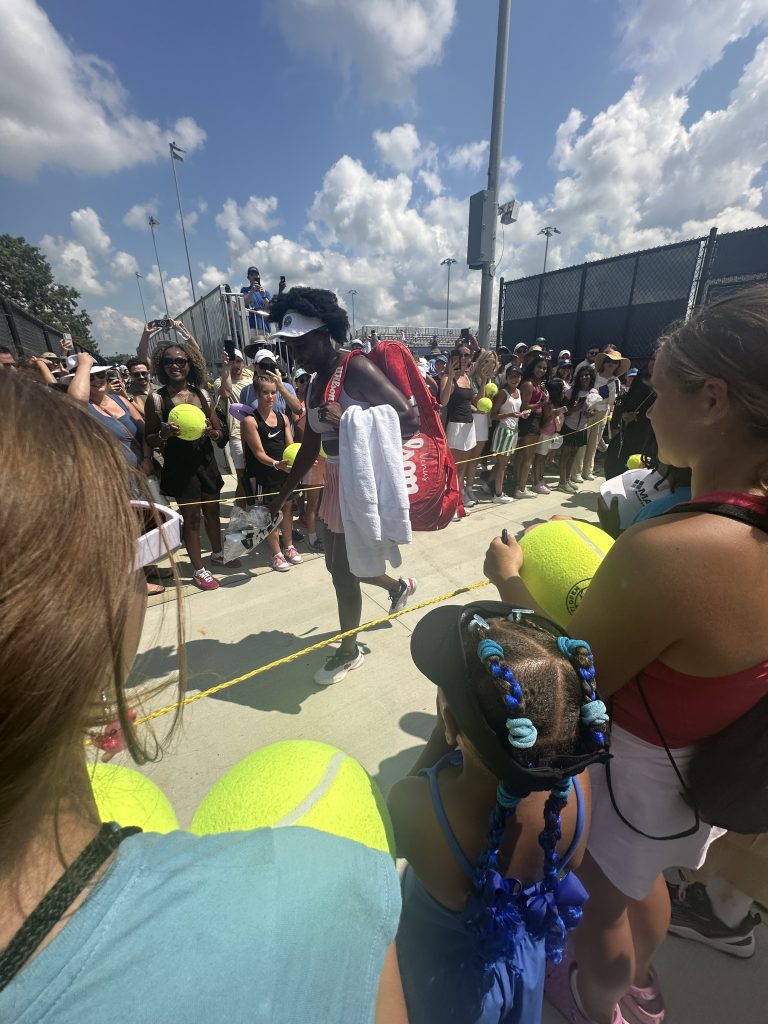
Having just started tennis last year after attending a summer camp, Cameron has quickly grown passionate about the sport, especially rallying. Her trip to Cincinnati was also her first time visiting the city, and the highlight was unforgettable: watching her role model Venus Williams compete live, just feet away from the court.
The family trip also included plenty of fun off the courts. Cameron, along with her mom, two brothers, and aunt, enjoyed the water park and arcade at Great Wolf Lodge. “I felt lucky to be able to enjoy this trip with my family,” Cameron said.
Looking ahead, Cameron hopes to continue growing as a tennis player while also pursuing her bigger dream of helping people in need. With her drive and enthusiasm, she is already proving she has a bright future both on and off the court.
–> How You Can Help
Stories like Cameron’s are made possible through the support of our community. Your donation helps us provide opportunities for young players to learn, compete, and dream big on the court and beyond. https://secure.qgiv.com/for/mtefdonationform/
“Grandma“
By: Cameron Wilson
“POW” What happened? My mother rushed to the bathroom. My mother found my grandmother on the floor. She immediately called the ambulance to find out what was going on. She waited for the ambulance to get there and they took my grandmother to the hospital.
After that my mother called my auntie, my auntie rushed to the house in an Uber. After that, my auntie and mother went to the hospital. The doctor told my mom that my grandmothers heart stopped and they had to run tests on her. She had many tubes to help her breathe.
My mom and auntie waited in the hospital a bit and when they got back my mom told me and my brothers. I felt sad finding out my grandmother was in the hospital. My grandmother was my best friend.
She always used to tell me stories and she was very funny. We used to visit her all the time and she gave us good gifts. She always used to watch movies with us and after that we had popcorn.
A few days later, I found my mother and my oldest brother crying in the living room. I knew what happened so I started crying too. When we told my other brother, he was crying and screaming.
Losing my grandmother was very tough. She always congratulated me when I did something good and we were always together. What I learned from this is that God takes who he wants to take. He takes his time and everything coming out of him is good energy.
God loves everybody and God is kind. He is very giving, but when it is a persons time, it is there time. He has it is his heart, he is great and watches everyone. He even loves those who do not love him. I have never seen him but he is good, he is the closest thing to perfection there is. No one is perfect but he is close. He has blessed every soul. He loves everyone and everyone should love him. He loves deep and he wants to help everyone and wishes for peace on Earth.
Something that helped me a lot is the support I got from my teachers. They helped me talk about it and made me understand that I could have thoughts about it. I also have a therapist that I talk to that helps me feel better.
Something fun that I do is pray and talk to my grandmother like she is right here. She may not respond, but I know she hears me. Every night I want to talk to her. She was a wonderful person. She used to me to be kind, she helped me with my homework and also said it doesn’t matter what other people say. Regardless if I get mad at my mom or my brothers, I still love them. They make me feel better when I am down. That is what family is about.